TL;DR
- As of September 1, 2026, the federal HEAR rebate no longer funds gas-to-electric appliance swaps, following the December 2025 expiration of the 25C heat pump tax credit 2026 applicants previously relied upon.
- Surviving incentives include the HOMES whole-home rebate for modeled savings, HEAR rebates for electric-to-electric upgrades (up to $8,000 for space heating), and the 30% 25D geothermal credit.
- Check your state’s current program and verify your home’s insulation and air sealing before purchasing a heat pump, as new federal rules prioritize the building envelope.
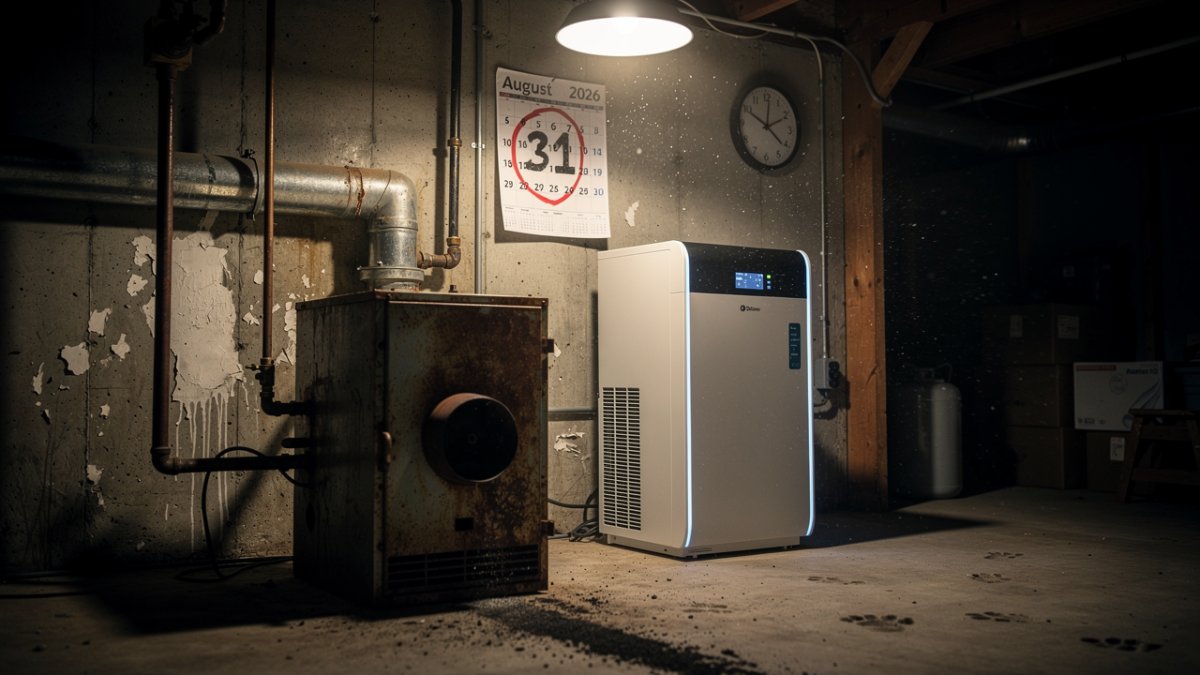
- At 5:30 p.m. Central time on August 31, 2026, the window closed for Wisconsin homeowners to claim a federal rebate for replacing a fossil-fuel appliance with an electric one . The very next morning, the federal High-Efficiency Electric Home Rebate program officially stopped funding gas-to-electric swaps across every participating state . The subsidy is gone. If you planned to pull a gas furnace, water heater, or range and cover the upgrade with a federal heat pump tax credit 2026 incentive, that path quietly vanished.
- This marks the second major funding cut in less than a year. The 25C Energy Efficient Home Improvement tax credit expired on December 31, 2025, taking with it up to $2,000 in heat pump incentives .
Navigating the Heat Pump Tax Credit 2026 Landscape
Federal money still exists. It just carries new conditions.
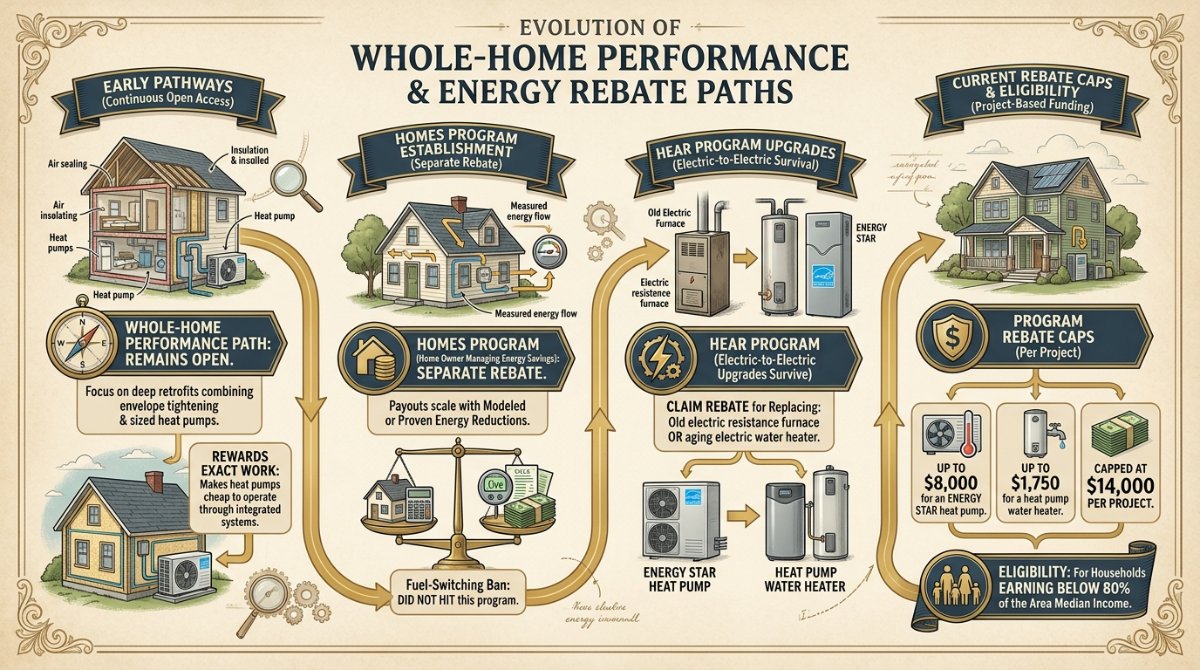
The whole-home performance path remains open. The HOMES program (Home Owner Managing Energy Savings) is a separate rebate where payouts scale with modeled or proven energy reductions . The fuel-switching ban did not hit this program. If your project involves a deep retrofit—combining air sealing, insulation, and a heat pump sized to a tighter envelope—this route still pays out. It rewards the exact work that makes a heat pump cheap to operate .
Electric-to-electric upgrades also survive under HEAR. You can still claim a rebate for replacing an old electric resistance furnace or an aging electric water heater. The program offers up to $8,000 for an ENERGY STAR heat pump and up to $1,750 for a heat pump water heater, capped at $14,000 per project . For households earning below 80% of the area median income, the rebate covers the total project cost. Between 80% and 150% of the median income, it covers half .
By rule, the building envelope now dictates the timeline. Notice 26-2 mandates that homes use rebates for insulation and air sealing before touching heating and cooling upgrades, unless the house is already properly sealed. The program demands this baseline work first because it actually cuts the utility bill.
Geothermal systems retain a separate federal lifeline. The 25D Residential Clean Energy Credit remains untouched, covering 30% of a ground-source heat pump’s installation cost through 2032 . This provides a larger check than the 25C credit ever did. However, drilling a ground loop is a vastly different job with a much larger budget than an air-source swap.
Stop pricing your project on the 2024 incentive sheet. Pull your state’s current program page. Check whether your home falls under the electric-to-electric or whole-home category, and run the payback math on the actual rebates available today.
This funding shift does not make electrification a bad investment. A heat pump still beats a gas furnace on operating costs in most climates. The equipment itself continues to get better and cheaper. The federal government simply stopped subsidizing the switch itself.
If your gas furnace just died and you needed a rebate to afford a like-for-like swap, that specific federal check is gone. You might need to pivot to the whole-home retrofit route. Alternatively, check your local state and utility incentives. Several states still run conversion rebates independent of the Department of Energy .
The rebate landscape changed with a pen stroke in May and a calendar deadline in September. The payback math changed right alongside it.
-
As of September 1, 2026, the federal HEAR rebate no longer funds gas-to-electric appliance swaps, following the December 2025 expiration of the 25C heat pump tax credit 2026.
-
Surviving incentives include the HOMES whole-home rebate for modeled savings, HEAR rebates for electric-to-electric upgrades (up to $8,000 for space heating), and the 30% 25D geothermal credit.
-
Check your state’s current program and verify your home’s insulation and air sealing before purchasing a heat pump, as new federal rules prioritize the building envelope.
References
[2] Focus on Energy (Wisconsin), “Home Electrification and Appliance Rebates (HEAR).”.
[3] Energy Saver North Carolina, “HEAR Updates and Program Changes.”.
[4] Rewiring America, “25C Heat Pump Federal Tax Credits: A Guide” (citing the IRS)..