
Your Nonrenewal Isn't Final: Count 120 Days
Your home insurance nonrenewal letter isn't the final word, and the count is the part that pays. Florida gives an owner 120 days of warning before a policy…
Energy & Efficiency Oct 23, 2026
Read
A quote is a price, not a return. WellRoost turns your cost, your resale lift and your savings into the one figure that decides whether the project is an investment or a cost.
Live
you never get back at resale
Recovers 60% of cost
Savings close it in 38 years
Lift starts at 60% of cost as a placeholder. Replace it with the number your agent or appraisal gives you.


The gap between what a project costs and what it lifts the value by is the real price of it.
Each one answers in a single number you can quote back to a contractor, an agent or a lender.
Three things in this toy decide most real home budgets: the envelope you heat, the car you charge, and whether you stay long enough to open the place up.
Interactive illustration, built with three.js. Drag to orbit, scroll or pinch to zoom. It draws nothing from your inputs.
Four equations run every answer on this site. They are here so you can check the output instead of trusting it.
recovery = lift ÷ cost
The share of the spend an appraisal hands back. At 80% or better the engine calls the recovery strong.
payback = cost ÷ savings a year
How long running costs take to return the money. It counts upkeep and utility savings, never enjoyment.
value = lift + savings × years + enjoyment × 0.35
The enjoyment credit is a share of cost, scaled by how much the upgrade matters and how long you stay. Only 35% of it is counted as value.
score = 45% recovery + 20% timeline + 15% savings + 20% enjoyment
Seventy or above returns worth it. Below 45, or under 35% recovery with three years left, returns skip.
The full engine prints every assumption it used, next to the answer.
Four subjects, one per kind of expense a house hands you. 35 pieces so far, each worked through the same arithmetic the calculators run.
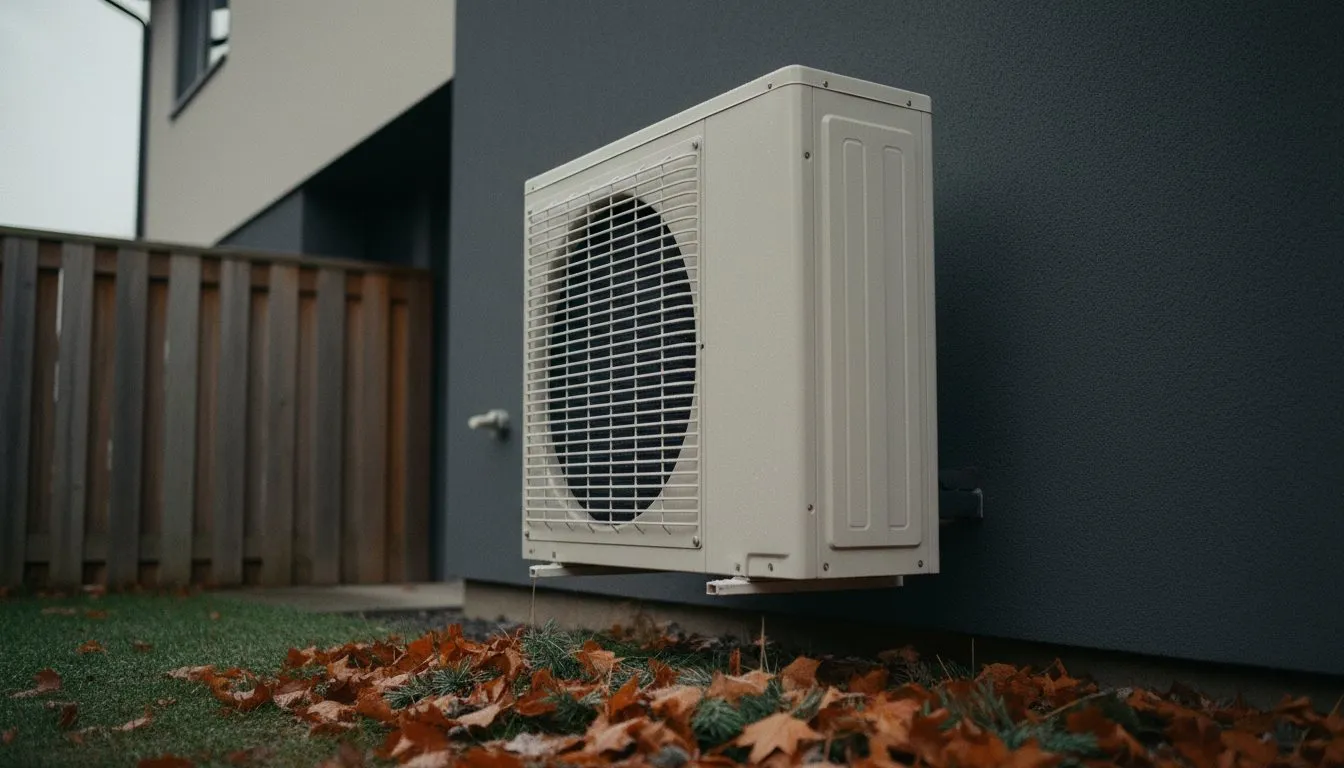 Energy & Efficiency Lower your utility bills and optimize your home’s baseline performance. Explore practical, high-ROI strategies for lowering electricity costs—covering everything from solar panel installations and smart thermostats to insulation upgrades, energy monitors, and efficient HVAC systems. 21 pieces
 Home Cost Decisions Make smart, data-driven financial choices for your property. From navigating first-time homeowner expenses and mapping out long-term maintenance costs to weighing the ROI of "repair vs. replace" and "buy vs. upgrade," this section breaks down the true cost of homeownership so you can invest your budget wisely. 3 pieces
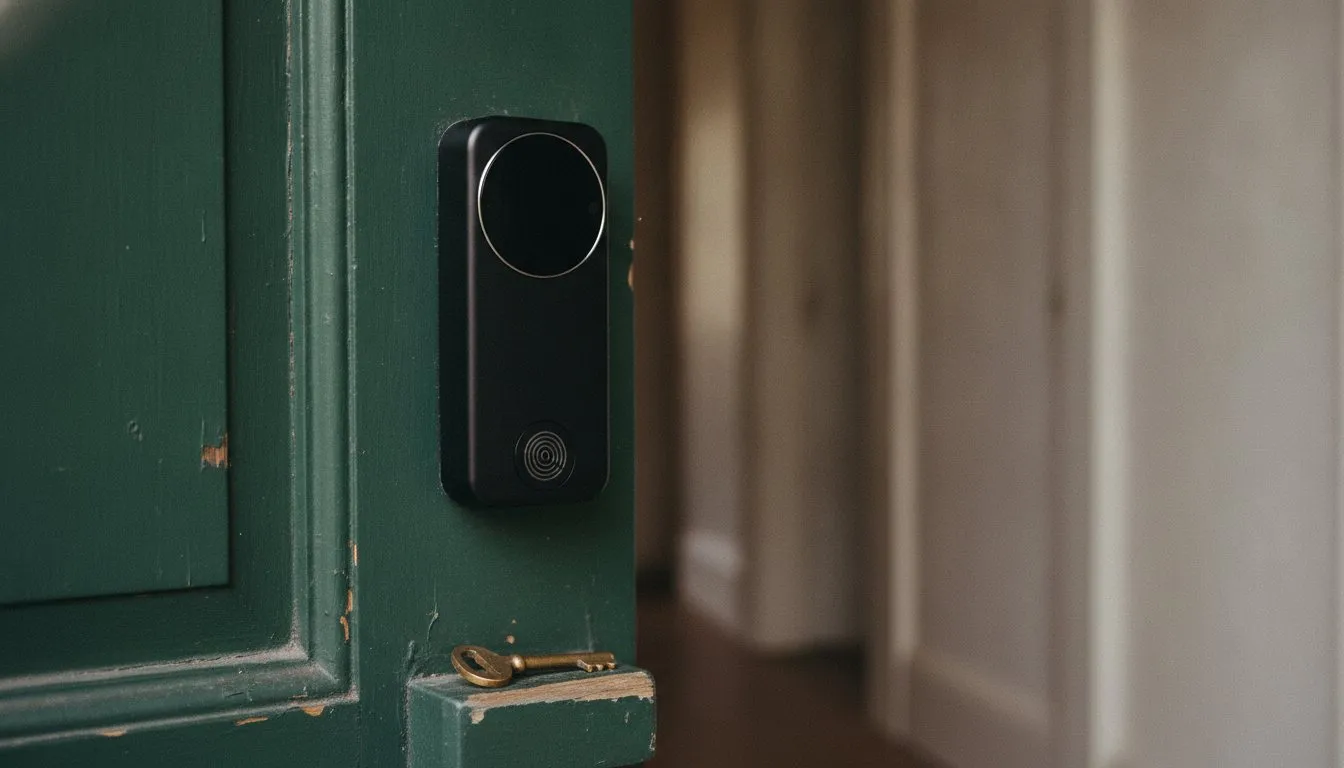 Smart Home & Security Build a secure, automated, and private living space without getting drained by hidden fees. We evaluate smart cameras, locks, sensors, and whole-home monitoring systems, with a strict focus on data privacy, system interoperability, and the long-term impact of ongoing subscription costs. 7 pieces
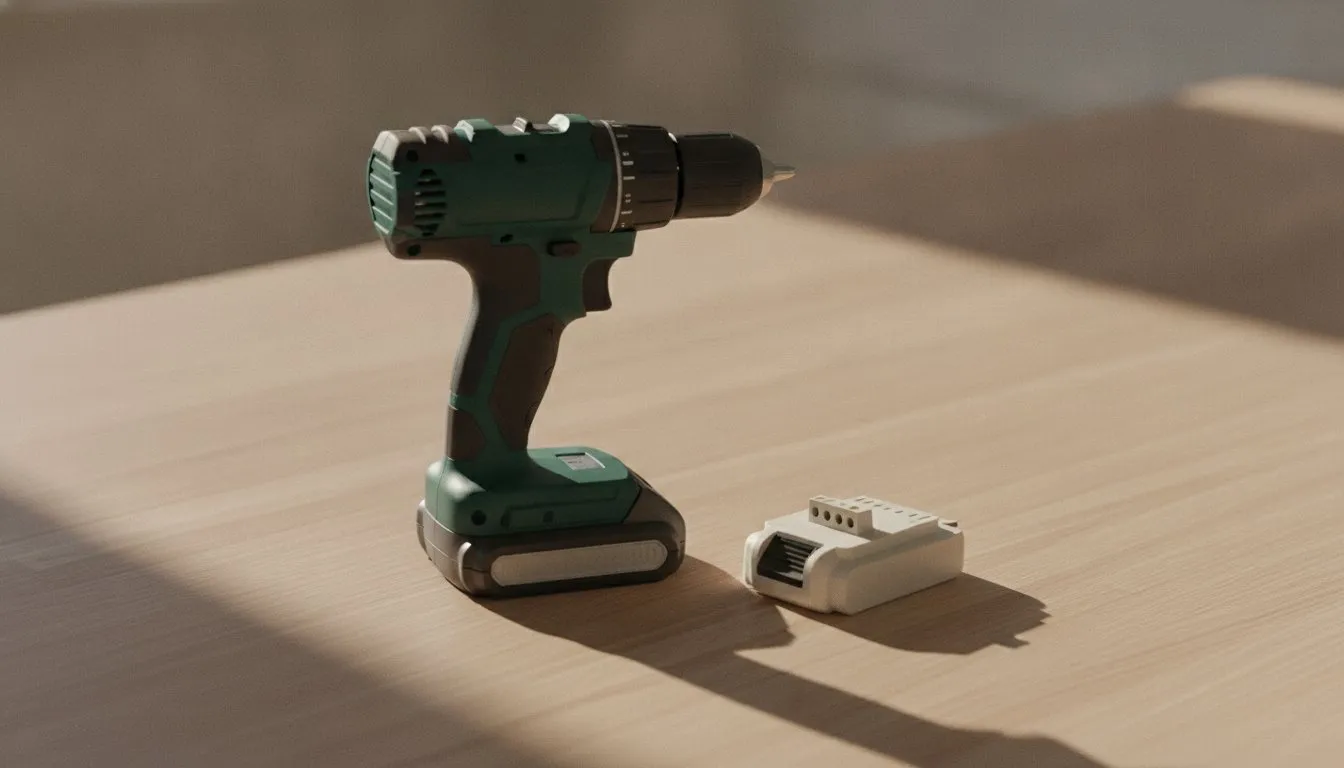 Tools & Equipment Gear up with the right equipment for every maintenance and DIY project. Find objective evaluations of power tools, lawn equipment, snow blowers, and essential DIY gear, with a dedicated focus on choosing the right battery ecosystems to power your garage or workshop efficiently. 4 pieces
Three calculators, six inputs at most, every formula published on this page. No account and no sales call at the end of it.