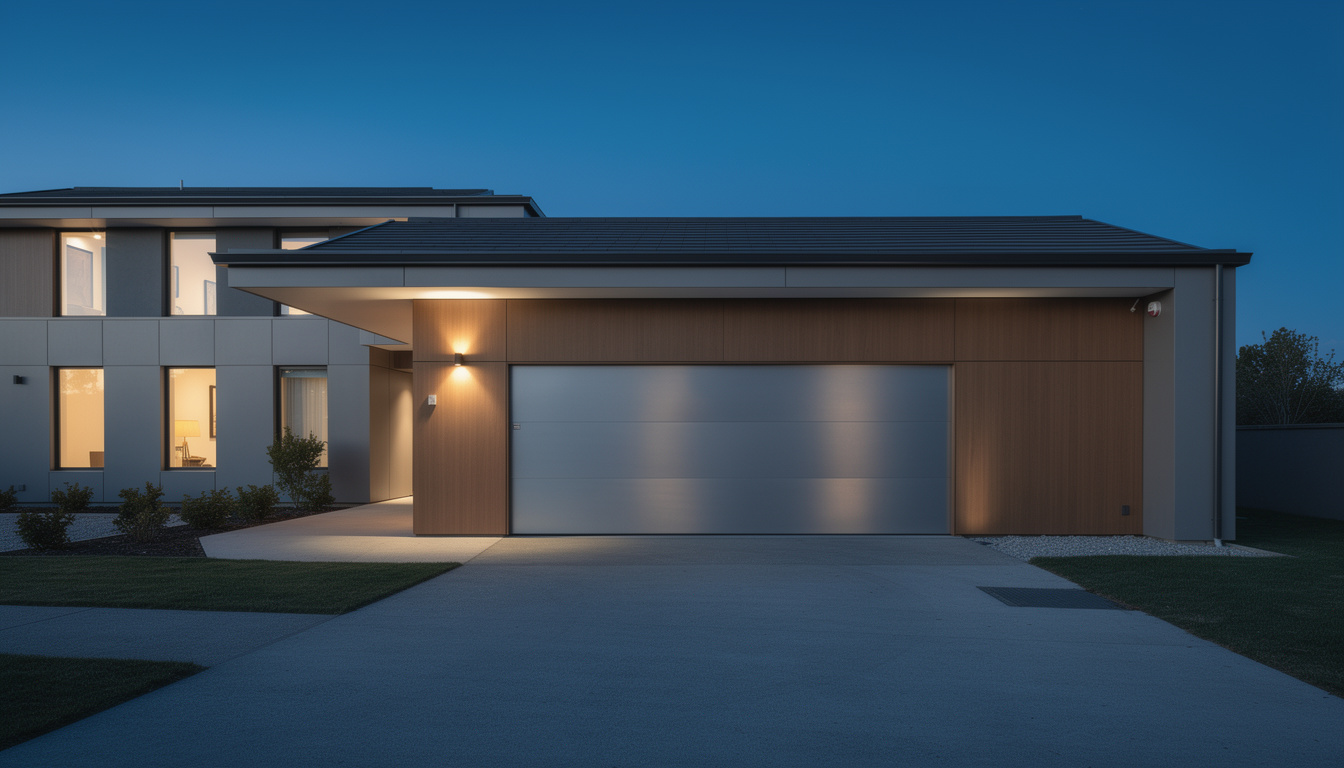
The remodel that pays you back at a sale is rarely the one you want to live in. A new garage door brings back 267.7% of its cost, spending $4,672 to add $12,507 at sale [1]. A standard big kitchen update brings back just 51% [2]. The wide gap between those two numbers is the best guide to home upgrade math.
The big picture:
Home equity splits into two markets that buyers price very differently. One is the shell. This means the doors, siding, and roof that keep the weather out. The other is the show, like the kitchens and baths that sell a home to the people living there.
Yearly studies find the shell pays off while the show falls flat. Outside swaps are clear winners, but big inside jobs are too personal to yield the same return at a sale [1]. The National Association of Realtors (NAR) calls the gap between the joy a remodel brings and the cash it returns intriguing [3].
It is not that the inside work is worthless. It is that the shell is what carries the mortgage and the insurance policy. Harvard’s housing center argues far more money needs to go into energy efficiency and weather resilience across 145 million homes, not into finishes [4].
My read: A buyer pays for a house that keeps them dry, warm, and safe. The finish on your cabinets is your taste, not theirs. It adds almost nothing to the final price.
By the numbers
- 267.7% — Garage door return: A new garage door costs $4,672 and adds $12,507 at a sale, the highest return tracked [1].
- 207.9% — Stone veneer return: Manufactured stone veneer costs $11,702 and adds $24,328, taking another top spot for outside jobs [1].
- 51% — Major kitchen return: A standard big kitchen remodel costs $82,793 and returns just $42,130 at a sale [2].
- 54% — Debt-funded updates: 54% of consumers paid for their remodels with a home-equity loan or credit line, against 29% from savings and 10% from credit cards [3].
What I’d watch:
I am watching how owners and agents stretch a fixed budget across these competing needs.
- The outside bias: Eight of the ten best-returning jobs in the 2025 data are outside the house [1]. The one inside job that pays is the small one: a minor kitchen refresh returned 112.9%, while the full rebuild returned about half [1][2]. I keep circling how narrow this list is, mostly limited to front doors, garage doors, siding, and decks.
- The spending mismatch: The remodel market tops $600 billion. Yet Harvard housing experts say 145 million homes badly need basic upgrades for energy and weather [4]. The spending simply does not match where the returns are.
- The debt trap: With 54% of remodels funded by home equity, the gap between project cost and sale return is borrowed money [3]. A kitchen update that loses half its value and sits on a credit line is a strict financial loss with interest added.
The catch:
I could be wrong to read these two studies as a single strict list, since they use different methods. The Cost vs. Value report prices a fake sale across 115 local markets, so its national averages hide huge local swings [1]. The Remodeling Impact Report asks agents for guesses rather than tracking real home sales [3].
Both reports are also yearly snapshots. A blazing hot housing market can easily lift inside returns next year.
A light kitchen touch-up actually returned 112.9% this year, more than it cost, which shows the real trap is the size of the job, not the room [1]. But the broader trend rarely moves. A remodel you keep is personal use, and the sale price only repays the parts a stranger values.
At a glance
- The Big Shift: Yearly sale data keeps pricing the physical shell of a house above its inside show. Outside swaps easily recover their costs, while big kitchen and bath remodels lose about half their value.
- Why It Matters: More than half of all remodels are funded by borrowing against home equity. When a project brings back less than it costs, the owner eats a steep loss while paying interest on the gap.
- What I’d Watch: I am watching whether this shell-versus-show gap holds steady and where next year’s buyers point their cash.
- Envelope and entry work: Doors, siding, and roofs remain the safest bets to hold their value.
- Minor versus major interiors: A light kitchen refresh pays for itself, while a full standard overhaul burns cash.
- Financing methods: The rising share of home-equity borrowing turns weak project returns into growing debt.
- The Catch: Both major industry studies rely partly on surveys and fake sales, and local housing markets swing wildly outside these national averages.
Related reading
- Borrow at 8% to remodel, or let your battery earn on the grid — more on Energy & Efficiency
- California FAIR Plan Premiums Jump 29.1% Oct 15 — more on Energy & Efficiency
- California Legalizes Plug-In Home Solar Panels — more on Energy & Efficiency
Sources
[1] Zonda, “2025 Cost vs. Value Report” (38th annual, 2025-09-18). https://zondahome.com/2025-cost-vs-value-report [2] Zillow, “Kitchen Remodel Return on Investment,” carrying the 2025 Cost vs. Value national kitchen figures. https://www.zillow.com/learn/kitchen-remodel-roi [3] National Association of the Remodeling Industry / National Association of Realtors, “2025 Remodeling Impact Report” (2025-04-09). https://nari.org/nari-blog-main/2025-remodeling-impact-report [4] Harvard Joint Center for Housing Studies, “Improving America’s Housing 2025” (2025-03). https://www.jchs.harvard.edu/improving-americas-housing-2025