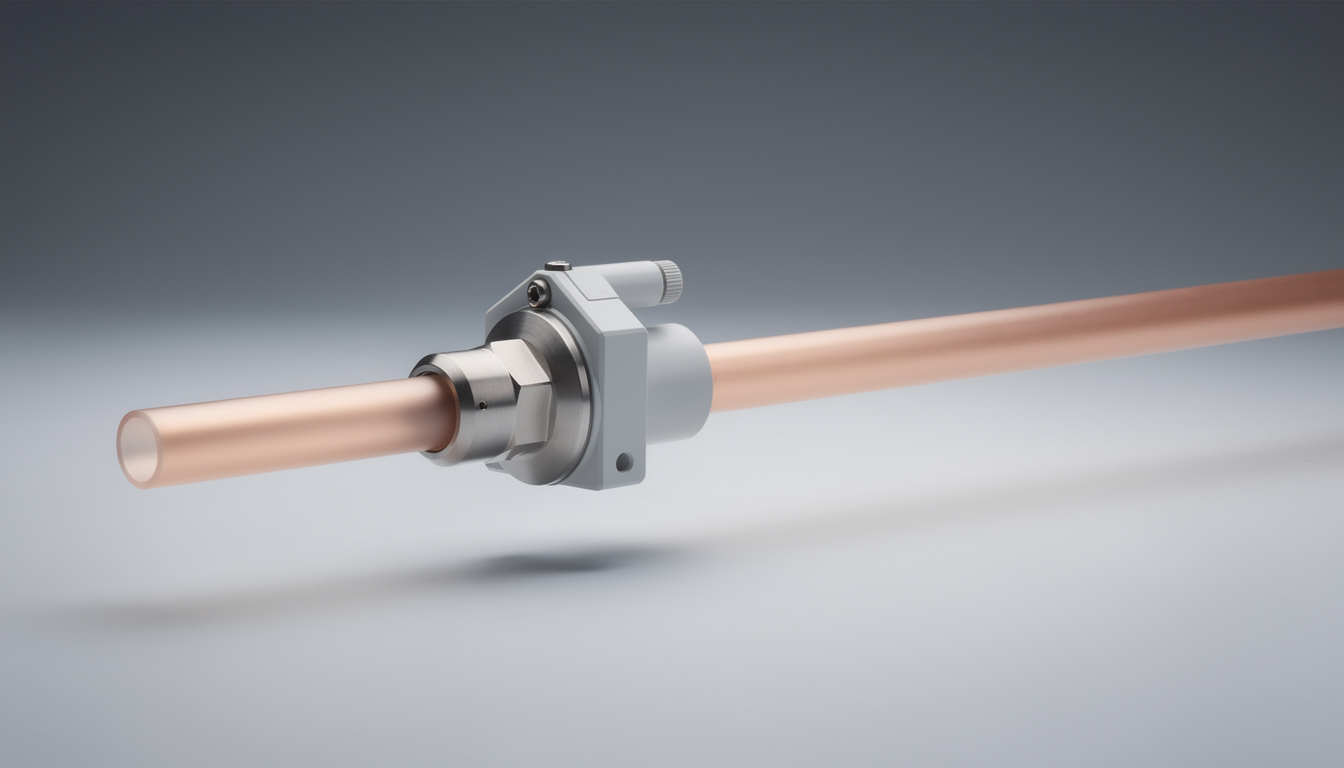
A tiny hole in a slab leaks about 0.08 gallons a minute, putting roughly 115 gallons a day into the dirt. A home monitor caught one at 3:15 in the morning in a case from our field notes, finding the drip before water reached the floor [5]. The Environmental Protection Agency (EPA) says nine percent of US homes carry a leak that size or larger right now [2].
The big picture:
A water monitor sells as a leak detector, but it really just sorts flow rates.
I’ve been reading the EPA’s leak pages next to insurance loss tables, and the two tell different stories about what these boxes buy you. The device watches how fast water moves through your main line, then compares that flow to a normal baseline it learns. Anything that flows when the house sleeps looks like a leak.
That matters because the leaks a monitor helps with are the steady, boring ones. A stuck toilet valve, a broken yard sprinkler, or a tiny hole in a copper line pushes water at an even rate for hours. A burst pipe does not need a monitor to announce itself.
By the numbers
- 9,400 gallons — Yearly leak waste: The average family wastes 180 gallons a week on home leaks, adding up to 9,400 gallons a year [1].
- 9% — Homes with real leaks: Nine percent of US homes have leaks wasting 50 gallons a day or more, running around the clock [2].
- 22.6% — Water’s share of claims: Water damage and freezing drove 22.6 percent of home property-damage losses in 2023, with an average claim cost of $20,062 [3].
- 87% — Homes on city water: About 87 percent of Americans get water from a public system, placing a clear flow signal right at the property line [4].
What I’d watch:
The owners who get real value out of these boxes read their own meters instead of feature lists.
- The night-flow test: The EPA’s manual check means reading the meter before and after two hours with no water running [2].
- The monthly ceiling: The EPA flags any family of four using more than 12,000 gallons a month as a likely target for serious leaks [2].
- The deductible limit: With water damage claims averaging near $20,000 [3], the honest test measures the device price against the insurance deductible you would pay anyway.
- The water-cost lever: The average family spends over $1,000 a year on water, with roughly $380 available to save by fixing leaks and updating old fixtures [1].
What strikes me here is how the sales pitch flips the math. The water bill savings form the visible number, but they make up the weakest part of the return.
The catch
A monitor cannot see inside a wall, and it misses leaks that only run while you wash dishes or shower.
My read: the alarm is not the product, the baseline is. A device that learns a house’s normal night flow easily flags a 0.08-gallon-a-minute slab leak [5]. A box tuned to a lazy factory setting sleeps right through it.
A shutoff valve adds a second limit. It only helps when the leak sits past the valve, and only if the device actually closes it. An alert that leaves the water running while you find your phone still floods the house.
The field note behind this piece shows a good outcome, not a promise [5]. Insurance pays for the repair, the water bill pays for the usage, and a monitor sits between the two. It proves useful simply because a running leak gets more expensive every hour nobody looks at it.
At a glance
- The Big Shift: Home water monitors sell as leak detectors, but they really sort flow rates against a learned baseline, meaning their success depends entirely on how owners set the alarm [1][2].
- Why It Matters: Water damage and freezing drove 22.6 percent of home property-damage losses in 2023 at an average $20,062 per claim, while the average family wastes 9,400 gallons a year on leaks [1][3].
- What I’d Watch: Whether owners set the alarm to their own night flow instead of a factory default.
- The night-flow baseline: The rate of water moving through the main line while the house sleeps. That is the level a slab or supply leak sits at, and the level a lazy alarm misses [2].
- The deductible comparison: Sizing the hardware cost against the insurance claim you would pay anyway, given water damage makes up 22.6 percent of home damage losses [3].
- The shutoff authority: Whether the device only alerts you or actually closes the valve. An alert leaves the water running until someone reads it [5].
- The Catch: A monitor cannot see inside a wall or catch leaks that stop and start, and its value drops when the limit sits too high. The 0.08 gallons a minute our field notes caught is one normal setting away from being missed [5].
Related reading
- A Cloud Patch Bricked the Fridge. Local-First Just Stopped… — more on Smart Home & Security
- Emporia Vue: How to Cut Energy Bills — more on Smart Home & Security
- Smart Home Security
Sources
[1] US EPA WaterSense, “Statistics and Facts” — https://www.epa.gov/watersense/statistics-and-facts [2] US EPA WaterSense, “Fix a Leak Week” — https://www.epa.gov/watersense/fix-leak-week [3] Insurance Information Institute, “Facts + Statistics: Homeowners and renters insurance” (homeowners loss data, 2019-2023) — https://www.iii.org/fact-statistic/facts-statistics-homeowners-and-renters-insurance [4] US Geological Survey, “Domestic Water Use” — https://www.usgs.gov/special-topics/water-science-school/science/domestic-water-use [5] Editorial-factory field notes, smart_home_telemetry Anecdote 2 (internal) — context/growth_os/customer-truth.md